
Revolutionise Your Socials With STEPPS
Let’s get straight to it: why do some posts generate engagement while others do not?
The secret to boosting shareability isn’t luck. Posts that do well tend to follow a pattern.
The key thing for content creators is to understand the pattern and replicate it.
Once that’s done, you can create social media content that’s strategic and effective.
One of the best ways to understand why this happens is the approach we use with our clients: the STEPPS framework.
What is the STEPPS Framework?
STEPPS is a model developed by marketing researcher Jonah Berger that explains why some ideas and posts go viral, while others don’t.
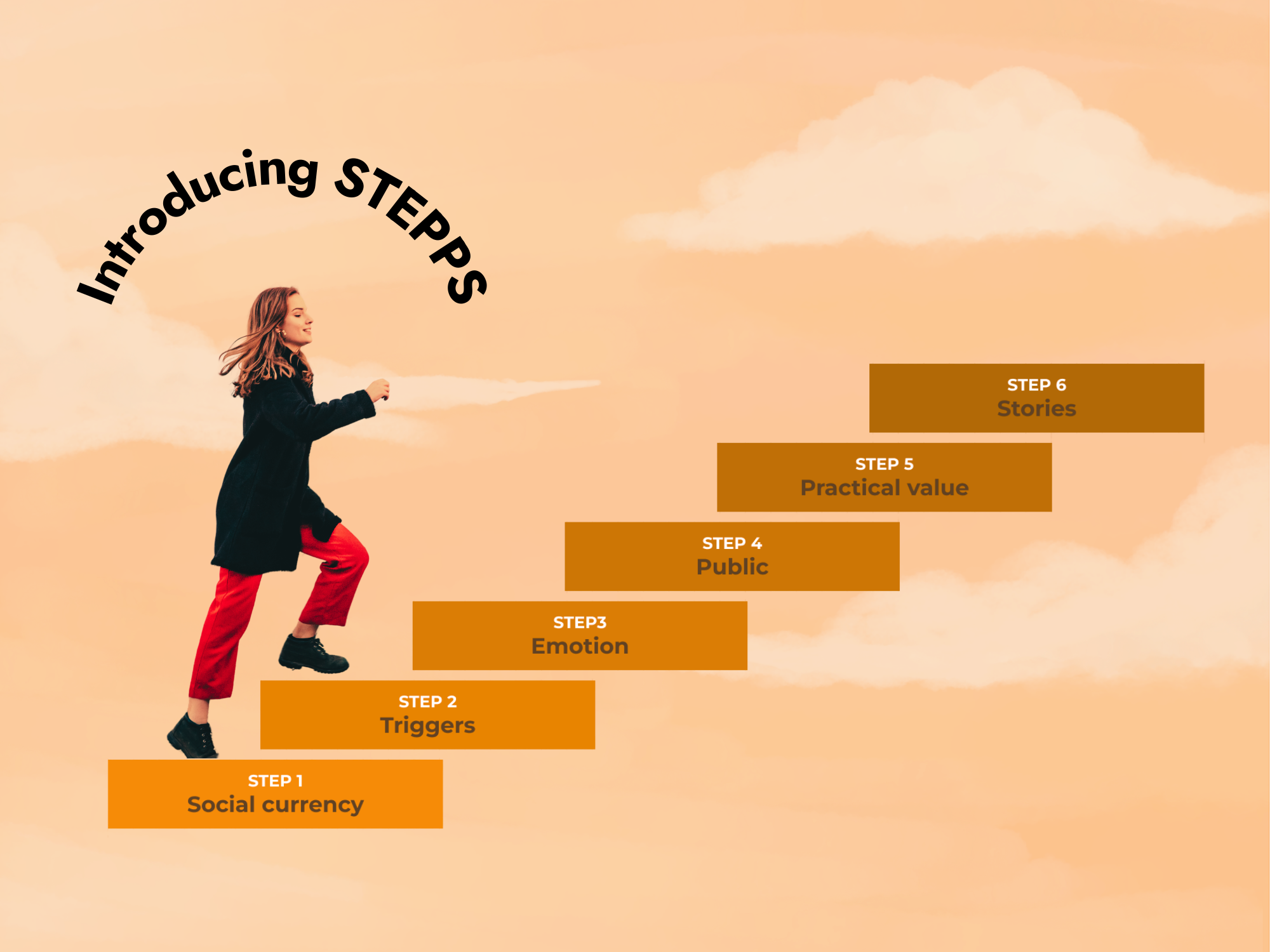
Instead of relying on guesswork, it recognises six reasons why people instinctively share things with others: Social Currency, Triggers, Emotion, Public, Practical Value and Stories.
Each of these elements plays a role in shaping the types of posts people engage with. By understanding and incorporating them, care providers can take a more intentional approach to the content they share.
1. Social Currency
People share and engage with content that makes them look knowledgeable, thoughtful or well-informed. In the care sector, this often stems from trust signals.
Your social media should consistently reflect the quality of your service. For example:
Celebrating an Outstanding CQC rating
Sharing recognition from local awards
Posting positive feedback from a client's family
These types of content demonstrate credibility and instil confidence in your audience about what you’re offering, reinforcing trust in your service.
2. Triggers
Triggers are everyday situations or prompts that remind people of something they’ve seen.
For care providers, the need for support is often linked to common events, such as:
A hospital discharge
A fall or health scare
Adult children noticing changes during a visit
Conversations about balancing work and caring responsibilities
Content that connects to these real-life situations helps ensure that when families begin thinking about care, your office is already top of mind.
For example, a post explaining what to expect when a parent returns home from the hospital can provide useful guidance while also positioning you as a helpful source of support.
3. Emotion
People share things that evoke feelings in them.
Statistics and service descriptions rarely travel far on social media, but authentic stories do.
In home care, emotional situations happen every day:
A client regaining the confidence to leave the house again
A thoughtful gesture from a Care Professional
A family expressing relief after finding the right support
These stories resonate because they reflect the deeper purpose behind care: dignity, independence and reassurance.
When posts tap into those emotions, they naturally encourage people to engage and share your content.
4. Public
The easier something is to see, the easier it is for people to talk about.
Regularly showing the work your team does helps build familiarity and trust around your office.
This might include:
Celebrating team milestones and anniversaries
Highlighting training and professional development
Sharing everyday moments from your care team
The more visible you are online, the easier it becomes for people to recognise, remember, and trust your service.
For more insights on regularly posting content, read our blog on how to reach your target audience.
5. Practical Value
People love sharing useful information.
Families navigating care decisions often seek guidance, and posts that offer clear, practical advice are more likely to be shared.
Examples might include:
“5 signs your parent may need extra support at home”
“How to start the conversation about care with a loved one”
“What happens during a first home care visit?”
Content like this positions your office as a trusted source of knowledge, making it more likely that people come back to it, remember it, and act on it.
6. Stories
Stories are vessels that carry messages further than facts.
People rarely repeat statistics, but they frequently retell stories, especially ones that illustrate a meaningful outcome.
When marketing within the care sector, this structure of a story has proven to be particularly effective:
A challenge or moment of uncertainty
The support provided
The positive difference it made
Over time, these stories build a clearer picture of your values and the impact you have.
Applying STEPPS to Recruitment
Interestingly, these same principles also apply when attracting new carers.
Posts that celebrate team achievements (social currency), highlight meaningful moments of care (emotion), and share real experiences from your team (stories) perform far better than traditional job adverts.
When potential carers see authentic examples of your office's culture, values, and impact, it becomes much easier for them to picture themselves in the role.
Turning STEPPS into Strategy
The key insight from the STEPPS framework is that shareable content isn’t accidental.
When care providers intentionally create posts that build trust, showcase real-life moments, and share meaningful stories, their social media becomes a consistent, strategic presence. This approach fosters familiarity, credibility, and supports long-term growth.
If you’d like support in integrating the STEPPS framework into your social media approach, get in touch with us today.