
Build a Strength-Focused Referral Network

Most care providers we speak to know that a strong referral network is central to any successful community engagement strategy. They understand that building real relationships is what earns trust, creates lasting presence, and positions you as the go-to for ageing well in your area.
However, it’s really clear what the recurring frustrations are: finding the time and knowing where to begin.
That’s exactly where the ABCD (Asset-Based Community Development) approach comes in. The ABCD approach reframes the challenge. Instead of wondering ‘what’s missing’ in your local area, it asks ‘what’s already here’, and how can you build on it.
What is ABCD and Why it Works
At its core, ABCD helps you flip your thinking.
Instead of focusing on gaps and needs, it helps you look at the strengths your community already has. This could be its people, places, and partnerships doing brilliant work every day. And most importantly, it shows you how to work with them.
For care providers, this isn’t just theory. It’s a practical strategy that turns outreach into connections, and connections into consistent, high-quality referrals.
By defining and specifying with what’s strong in your own workforce rather than what’s lacking, it really does become much easier to build on your community partnerships.
The ‘Ageing Better’ Example
Let’s look at some examples. Ageing Better in Birmingham is a community-led programme that supports people over 50 in reducing loneliness and staying connected later in life. It was formed based on the ABCD approach and is really successful. They looked at the resources and existing capabilities available to them in the community and built Ageing Better based on them.
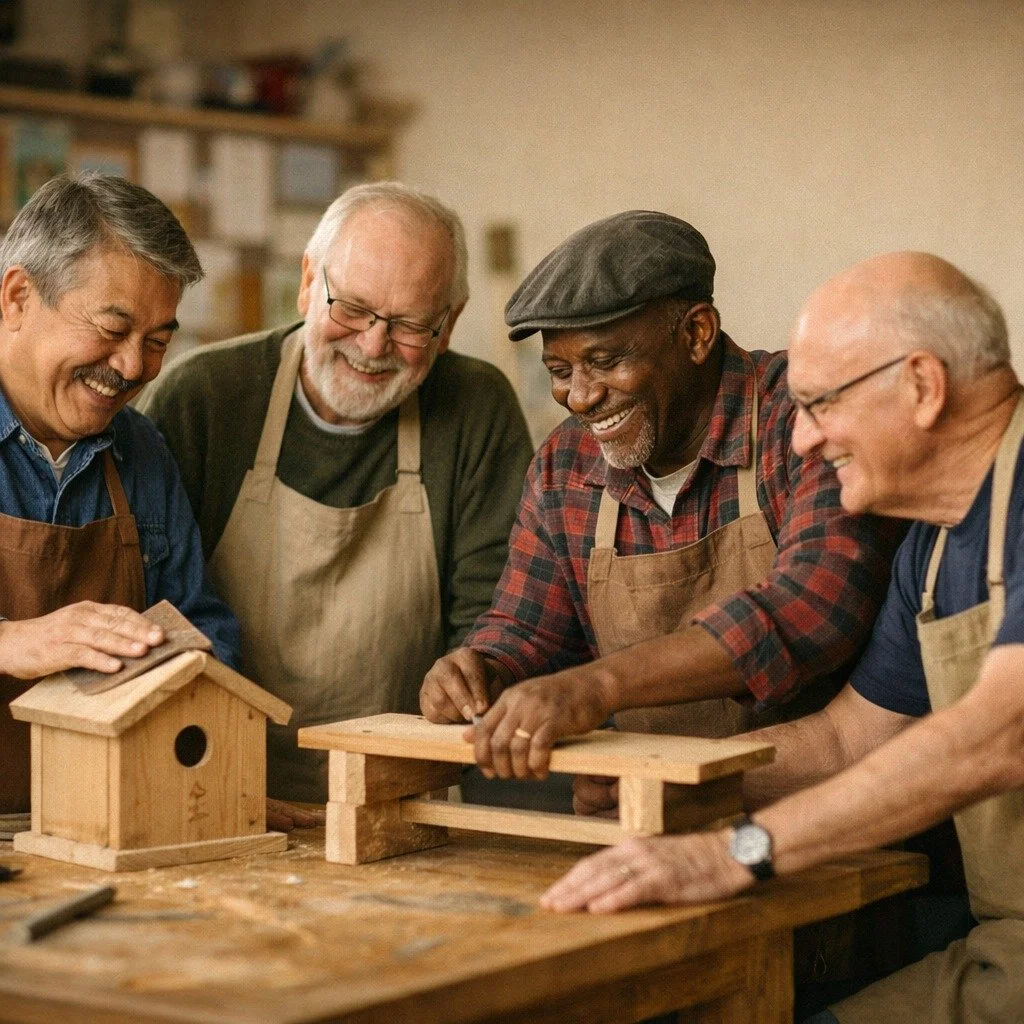
Another example is Acocks Green Men’s Shed. The group was able to source over £1,300 just in donations from local associations. They received recycled wood from a housing maintenance company, and even had their local hardware store pitch in, offering trade discounts and placing leaflets on the counter to raise awareness. They were able to do this because they had strong relationships within that area and they had an ABCD mindset.
How to Invest in Your Referral Network
ABCD gives you a new lens for building deeper, more purposeful relationships. It’s not just about getting more referrals; it’s about creating the kind of partnerships where referrals happen naturally.
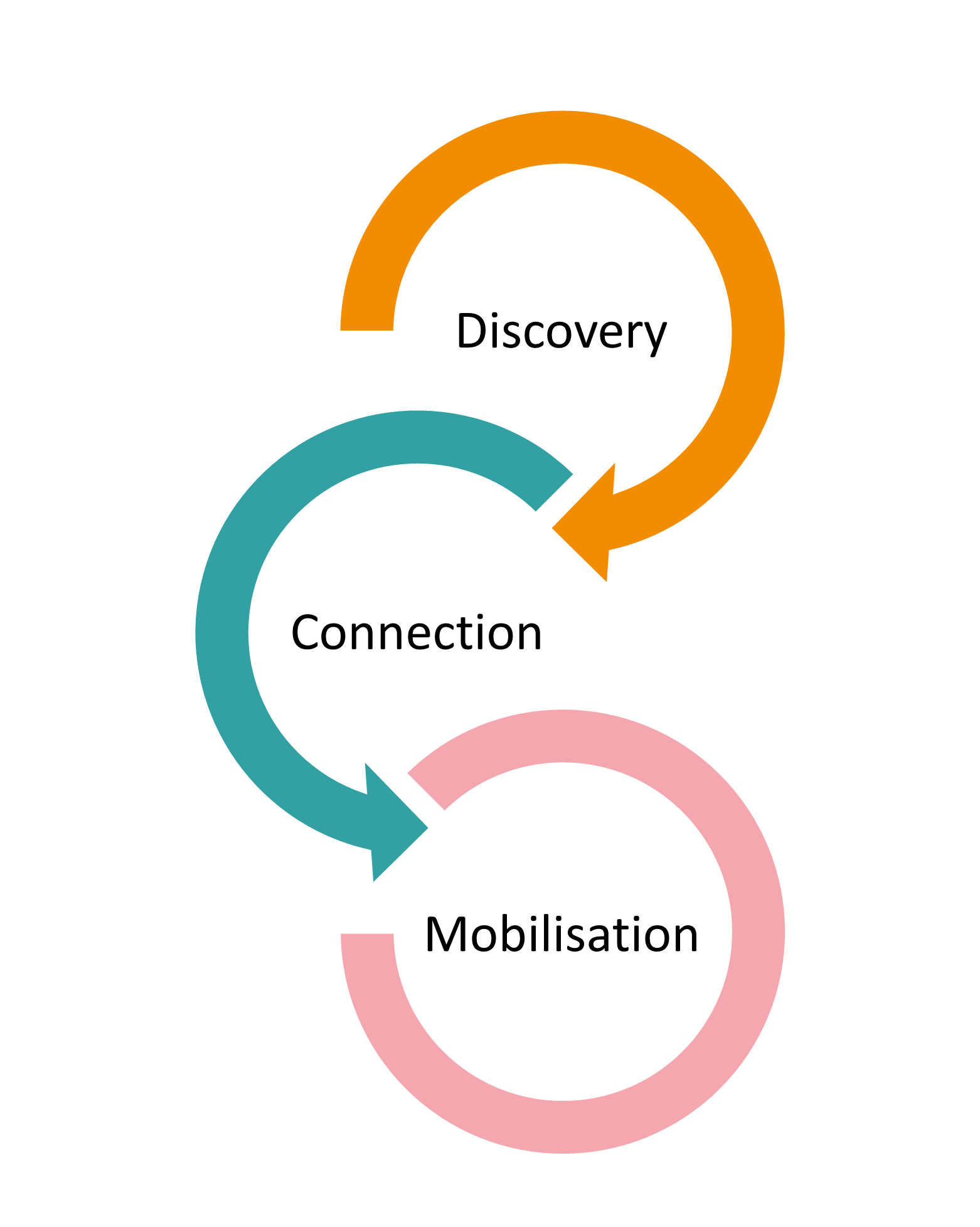
Here’s how:
1. Map Your Local Assets
Who’s doing amazing things in your community, and who already has earned trust?
This could be the librarian who knows every regular by name, the hairdresser who hears everything or the window cleaner who sees 50 people a week.
2. Build Relationships
Don’t lead with your service brochure; start with your why.
Find shared values, ask what they need, and offer what you can bring.
And remember, the best relationships are reciprocal!
3. Mobilising Action
Once trust is in place, do something together. It could be a co-hosted event, a shoutout in their newsletter, or a small awareness session.
This is how you create what we like to call ‘planned happy accidents’; those natural, aligned moments where everyone wins.
What’s Next?
If your local referral network feels a bit stale, or you're stuck in that ‘we know we should be doing more, but don’t know where to start’ space, you’re not alone.
At My Way Marketing, we help care providers turn community strengths into strategy, building referral networks rooted in trust, purpose, and local impact.
If you’d like support in bringing ABCD into your strategy, we’re here to help.
Get in touch with us today.